BCWGC Classifieds
Needed - Gas Powered Spayer
A small vineyard in the Fraser Valley is in need of a gas powered sprayer that can be towed with a small tractor.
Contact: Rob at (604) 318-3282 Email:rob_marchetto@yahoo.com
Oak Barrels for Sale
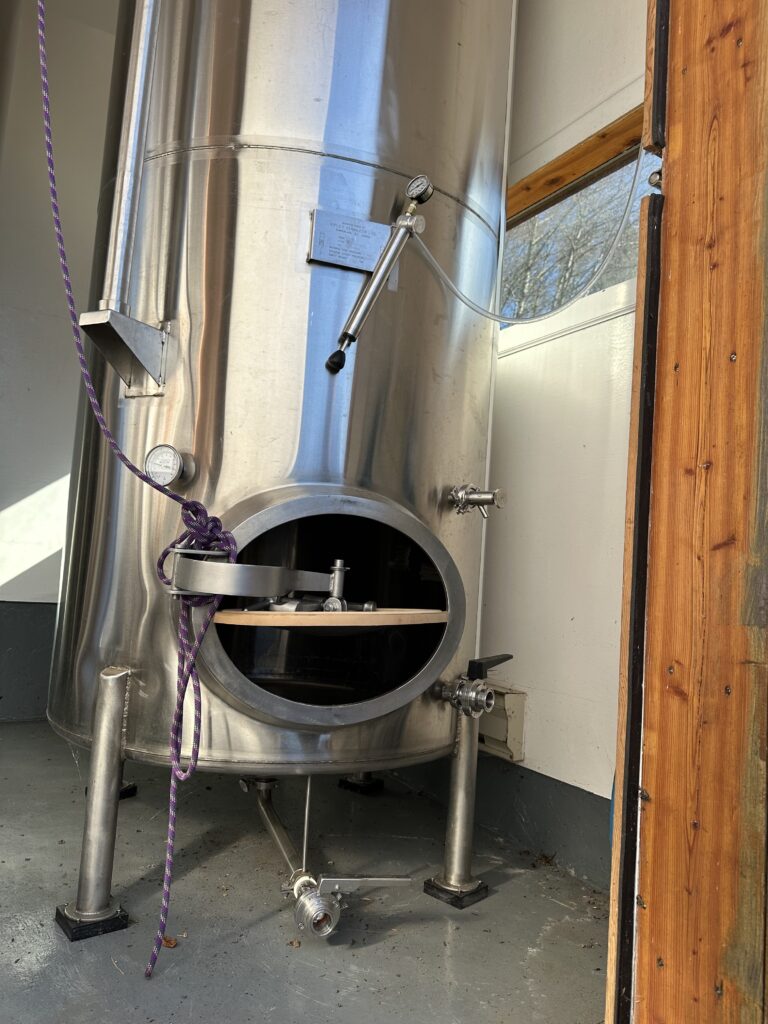
Thornhaven Winery has 8 extra brand new Radoux Minnesota Oak and will sell them for $550 each. For more information contact Jason at 250-404-0493 or e-mail info@thornhaven.com
Improve your grape quality
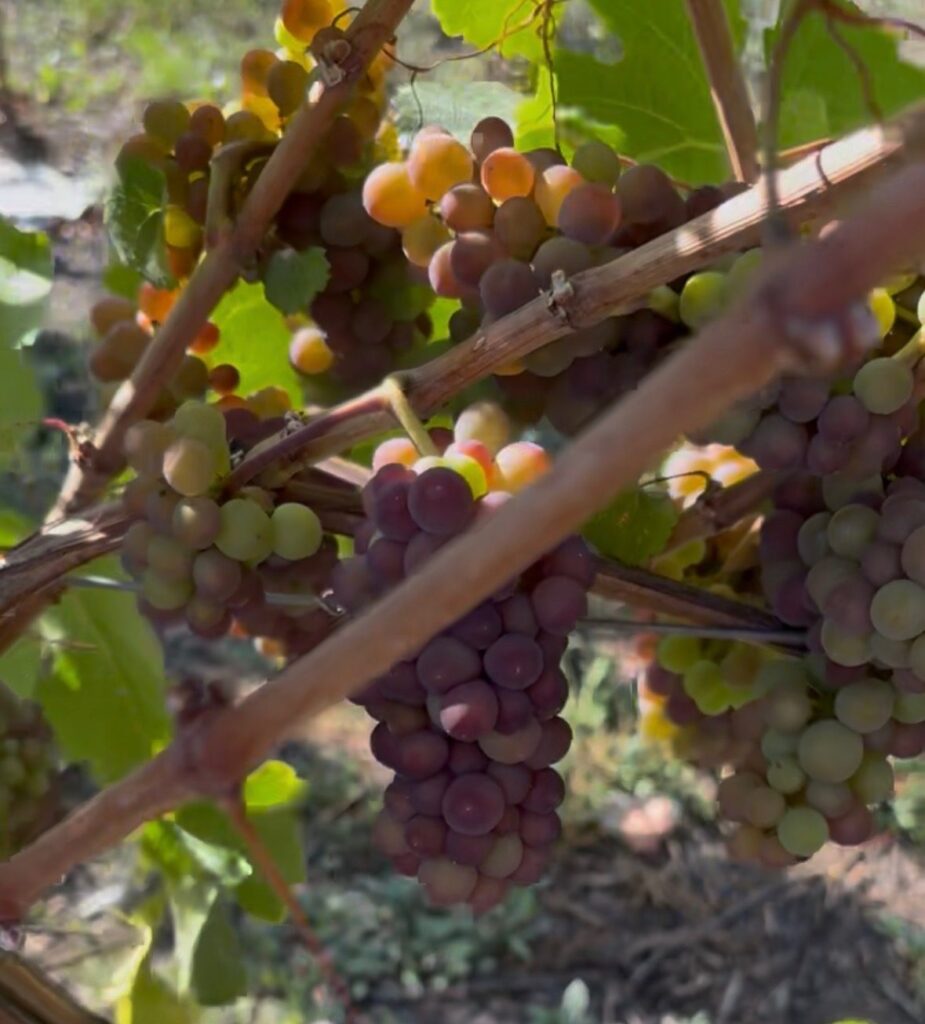
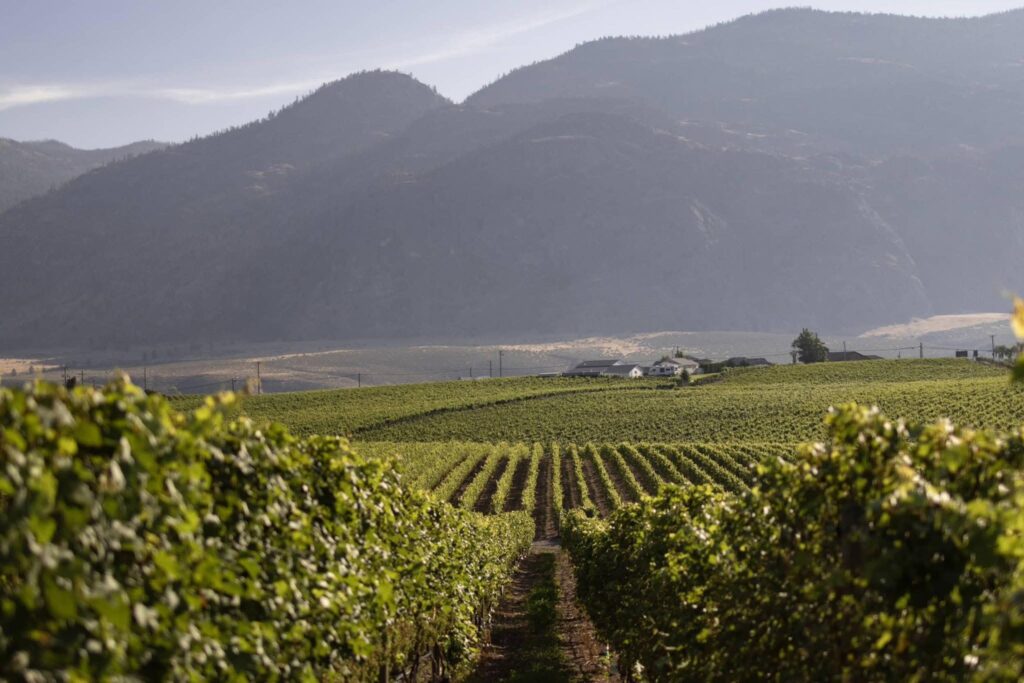
I believe my friend and I have developed a grape growing system that will produce better quality grapes at higher volumes. It can be installed in any soil type "the rockier the better!". If anyone is interested I would be glad to show you our system currently being installed in East Kelowna. Email or call Tony at 250.575.7982 / xpertvines@gmail.com
Wood Waste Disposal Program
The smoke from the burning of wood waste was once thought to be harmless. It has since been proven that smoke has public health effects even at low concentrations. In order to reduce pollution and improve air quality the RDOS continues to help growers who are conducting full tree removal to chip, salvage or haul their wood waste (the RDOS run landfills and the Summerland landfill do not charge tipping fees on properly prepared agricultural wood waste). The Wood Waste Disposal Program is free and provides growers with an opportunity to be ecologically responsible.
The RDOS Air Quality Program is a program that services all municipalities and rural areas within the RDOS. Growers interested in participating in the chipping or to discuss other wood waste disposal options can call the RDOS at 877-610-3737 ext. 4212 or locally at 250-490-4212. Also, available soon is a Best Practice video and guide for growers.
B.C. GETS TOUGH ON AGRICULTURAL BOILER EMISSIONS
For your information
For Immediate Release
2008ENV0103-001844
Dec. 8, 2008
Ministry of Environment
B.C. GETS TOUGH ON AGRICULTURAL BOILER EMISSIONS
“Wood-fired agricultural boilers, like those commonly used by the greenhouse industry, are a low-carbon form of renewable energy,” Penner said. “However, they are also a source of particulate matter. By introducing more stringent emission standards in this sector, we are following through on our Air Action Plan, and ensuring that we have up-to-date regulations that complement regional bylaws.”
In B.C., pollution standards for agricultural boilers fall under the Agriculture Waste Control Regulation. The updated standards establish the toughest economically viable limits on emissions from wood-fired boilers, ensuring better protection for air quality and the environment, and safeguarding human health.
“We are pleased that provincial policy makers are stepping up and setting more stringent emissions standards to protect public health,” said Scott McDonald, executive director of the British Columbia Lung Association. “We cannot afford to let these sources of pollution to go unchecked, because wood smoke contains harmful particulate matter.”
The new standards will require greenhouses and other agricultural boiler users to monitor and report on their emissions regularly. The Ministry of Environment will work with industry to ensure that they have the necessary means to meet the standards.
“We support the new limits for air emissions because they will contribute to achieving the Province’s clean air goals while allowing us to continue to produce food,” said Mary-Margaret Gaye, BC Greenhouse Growers’ Association executive director. “Consistent regulations that are technically achievable are essential to the health of B.C.’s agricultural sector.”
The new agricultural boiler standards are substantially harmonized with Metro Vancouver’s recently adopted Agricultural Boilers Emission Regulation Bylaw. B.C.’s new, rigorous limits will also apply to the rest of the province and will be fully phased in by Sep. 1, 2010.
Of the approximately 200 known greenhouses operating across the province, 171 are located in the Lower Mainland, 17 on
For more information on the B.C. government’s clean air initiatives, visit www.env.gov.bc.ca/pac/airquality.htm or log on to www.bcairsmart.ca to view the BC Air Action Plan, which outlines 28 actions to improve and protect air quality across the province.